Stefan Żeromski 1864–1925
Urodził się 14 października 1864 roku w Strawczynie koło Kielc w zubożałej rodzinie szlacheckiej. Był synem Wincentego Żeromskiego i Franciszki Józefy z Katerlów.
W 1873 roku rozpoczął naukę w elementarnej szkole w Psarach. Zdobytą tam wiedzę wykorzystał rok później podczas egzaminów do Męskiego Gimnazjum Rządowego w Kielcach. W trakcie nauki stracił rodziców: matkę w 1879 roku, zaś ojca cztery lata później. Po ich śmierci Żeromski utrzymywał się głównie z udzielania korepetycji. Z czasów gimnazjalnych pochodzą jego pierwsze próby literackie – wiersze, dramaty i przekłady z literatury rosyjskiej. Nad jego twórczym rozwojem czuwał ulubiony nauczyciel, polonista – Antoni Gustaw Bem. Młody literat zadebiutował w roku 1882, publikując w „Tygodniku Mód i Powieści” tłumaczenie wiersza Michała Lermontowa Pragnienie, zaś w „Przyjacielu Dzieci” utwór Piosnka rolnika.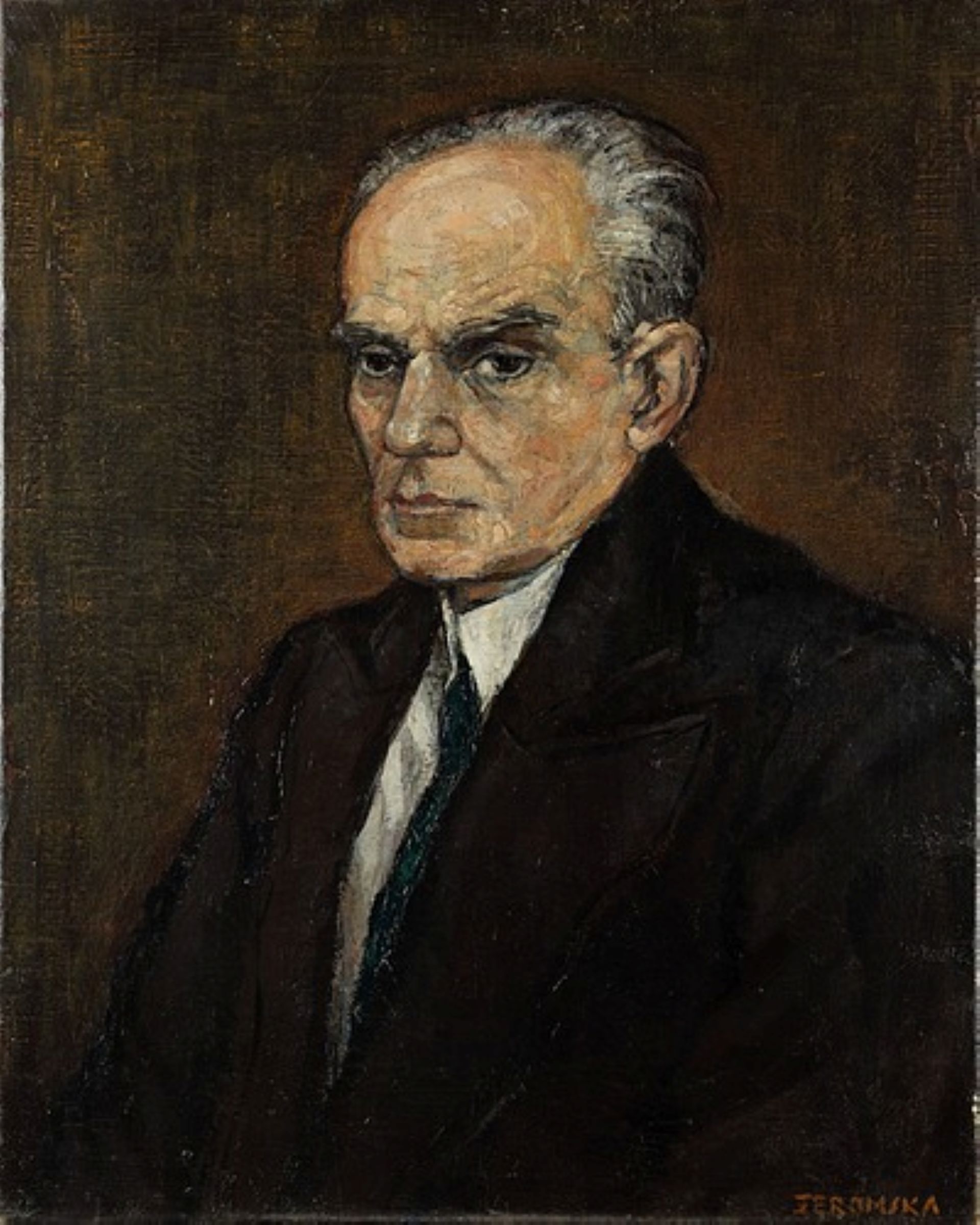
Trudności finansowe i kłopoty zdrowotne sprawiły, że Żeromski nie uzyskał matury. Jesienią 1886 roku wyjechał do Warszawy, gdzie wstąpił do Szkoły Weterynaryjnej. Podczas działalności w tajnej akcji oświatowej i studenckim kółku kielczan zetknął się z ruchem socjalistycznym. W 1888 roku zrezygnował ze studiów i od tego czasu utrzymywał się głównie z udzielania korepetycji dzieciom z bogatych szlacheckich domów. Od 1889 roku utwory Żeromskiego zaczęły ukazywać się w „Tygodniku Powszechnym” i „Głosie”. W tym ostatnim opublikował korespondencję zatytułowaną Spod Stopnic, którą podpisał pseudonimem Iksmoreż. Swe utwory wydawał także pod nazwiskami Józef Katerla, Maurycy Zych i Stefan Omżerski. W 1890 roku Żeromski przeniósł się do Nałęczowa, gdzie dalej zajmował się udzielaniem korepetycji. Tam poznał Oktawię z Radziwiłłowiczów Rodkiewiczową, która w 1892 roku została jego żoną. W tym samym roku przed pisarzem otworzyła się perspektywa osiedlenia się w Szwajcarii, w Rapperswilu, gdzie znajdowało się Muzeum Narodowe Polskie. Literat objął tam posadę bibliotekarza i pracował m.in. nad skatalogowaniem dzieł dotyczących Adama Mickiewicza i Tadeusza Kościuszki.
Latem 1896 roku powrócił do Nałęczowa. Pobyt w Rapperswilu pozwolił mu nawiązać nowe znajomości. Zetknął się tam z pisarzami oraz działaczami politycznymi i społecznymi, m.in. Gabrielem Narutowiczem, Julianem Marchlewskimi Edwardem Abramowiczem. W 1897 roku otrzymał posadę w Bibliotece Ordynacji Zamojskich i przeniósł się z rodziną do Warszawy. We wrześniu 1899 roku na świat przyszedł syn pisarza – Adam. Od 1905 roku literat przebywał w Nałęczowie, gdzie obok pracy literackiej poświęcał się działalności społecznej. Był inicjatorem założenia Uniwersytetu Ludowego, optował za przeprowadzaniem kursów dokształcających i utworzeniem teatru ludowego. To z jego inicjatywy powstało w 1906 roku Towarzystwo Szerzenia Oświaty „Światło”. Burzliwe czasy rewolucji pobudziły aktywność artysty. Pisał wiele artykułów i nowel. Często zmieniał miejsce zamieszkania. Przebywał m.in. w Zakopanem, Nałęczowie, we Włoszech, gdzie leczył się wraz z synem, który odziedziczył po ojcu chorobę płuc. W latach 1909–1912 mieszkał z rodziną we Francji. W 1913 roku przyszła na świat Monika Żeromska, jego jedyna córka. Jej matka, malarka Anna Zawadzka, była drugą partnerką życiową pisarza, która towarzyszyła mu do śmierci.
Okres pierwszej wojny światowej to czas, kiedy literat mocno zaangażował się w sprawy kraju. Pełnił m.in. funkcję oficera w krakowskim departamencie wojskowym Naczelnego Komitetu Narodowego, zastępcy sekretarza w Naczelnym Komitecie Zakopiańskim. W 1918 roku zmarł Adam, syn pisarza. W tym samym roku literat został wybrany przewodniczącym Rady Narodowej Rzeczypospolitej Zakopiańskiej. Pierwsze lata niepodległości przyniosły Żeromskiemu przypływ energii twórczej. Powrócił do Warszawy i kupił dom w Konstancinie. W 1920 roku został prezesem Związku Zawodowych Literatów Polskich. Wraz z Janem Kasprowiczem i Władysławem Kozickim uczestniczył w akcji plebiscytowej na Warmii i Mazurach. Związany z wybrzeżem przewodniczył Towarzystwu Przyjaciół Pomorza. Ostatnie miesiące życia spędził w otrzymanym od prezydenta mieszkaniu w Zamku Królewskim w Warszawie. W 1925 roku z inicjatywy Stefana Żeromskiego powstał polski oddział PEN Clubu, którego pisarz został prezesem.
Literat zmarł 20 listopada 1925 roku w Warszawie. Został pochowany na cmentarzu ewangelicko-reformowanym. Pożegnalne utwory poświęcili mu m.in. Władysław Broniewski, Mieczysław Jastrun, Jan Lechoń, Maria Pawlikowska-Jasnorzewska, Antoni Słonimski, Julian Tuwim i Leopold Staff.
Adamczewski Stanisław (1883–1955)
Twórczość:
Serce nienasycone. Książka o Żeromskim, Poznań 1930, wyd. 2 pt. Sztuka pisarska Żeromskiego, Kraków 1949.
Stefan Żeromski. Zarys biograficzny, Lwów 1937.
Prace i redakcje edytorskie:
S. Żeromski, Syzyfowe prace. Objaśnienie i przypisy, Warszawa 1930.
S. Żeromski, Dzienniki, cz. 1–2, Warszawa 1953.
Adamczyk Zdzisław Jerzy (1936–2024)
Twórczość:
Boje Stanisława Pigonia o pełne wydanie utworów Stefana Żeromskiego, w: Stefan Żeromski. Kim był? Kim jest? Materiały ogólnopolskiej konferencji naukowej. Kielce 2–4 października 2014 r., red. Z. J. Adamczyk, Kielce 2015, s. 375–392.
Czego nie wiemy o młodości Stefana Żeromskiego. Przed nowym wydaniem „Dzienników”, „Twórczość” 2018, nr 11, s. 63–88; poszerzona wersja https://mnki.pl/zeromski/download.php?id=9.
Czy można dobrze wydać dziennik Stefana Żeromskiego? Pierwsze spostrzeżenia oraz nieustanne wahania i rozterki wydawcy, w: Stefan Żeromski – twórca, działacz, obywatel. Materiały ogólnopolskiej konferencji naukowej, red. R. Kotowski, S. Zacharz, Kielce 2019, s. 121–138.
Do czego potrzebny był Żeromskiemu Andrzej Radek. Trochę nowego światła na „Syzyfowe prace”, „Rocznik Muzeum Narodowego w Kielcach” 2016, t. 31, s. 15–40.
Manipulacje i tajemnice. Zagadki późnej biografii Stefana Żeromskiego, Warszawa 2017.
Nauczyciel i uczeń: Tomasz Siemiradzki i Stefan Żeromski, „Kieleckie Studia Filologiczne” 1997, t. 11, s. 259–263.
Przed nowym wydaniem dzienników Żeromskiego – losy autografów, „Pamiętnik Literacki” 2019, z. 1, s. 161–189.
Przedmowa. „Przedwiośnie” w świetle wcześniejszej publicystyki Żeromskiego, w: Stefan Żeromski. Przedwiośnie, oprac. S. Zacharz, Kielce 2019, s. 9–51.
Przedwiośnie. Prawda i legenda, Poznań 2001.
Stefan Żeromski. Dziennik z wiosny 1891 roku,„Kieleckie Studia Filologiczne” 2000, t. 14, s. 125–184.
Zbigniew Goliński jako redaktor krytycznej edycji „Pism” Stefana Żeromskiego, w: Zbigniew Goliński. Portret badacza, red. T. Chachulski, Warszawa 2016, s. 137–163.
Zygmunt Wasilewski, Stefan Żeromski. Korespondencja wzajemna (1890–1925), oprac. Z. J. Adamczyk, Kielce 2019.
Żeromski zakłada Polski Pen Club, „Twórczość” 2010, R. 66, nr 3, s. 77–89.
Żeromski. Z dziejów recepcji twórczości 1895–1964, Warszawa 1975.
Prace i redakcje edytorskie:
S. Żeromski, Przedwiośnie, Wrocław 1982.
S. Żeromski, Wierna rzeka: klechda domowa, Wrocław 1878.
S. Żeromski, Pisma zebrane. Nowele, opowiadania i inne utwory epickie, Warszawa 1981.
S. Żeromski, Pisma zebrane. Listy
[t.] 1, 1884–1892, Warszawa 2001.
[t.] 2, 1893–1896, Warszawa 2001.
[t.] 3, 1897–1904, Warszawa 2003.
[t.] 4, 1905–1912, Warszawa 2006.
[t.] 5, 1913–1918, Warszawa 2008.
[t.] 6, 1919–1925, Warszawa 2010.
S. Żeromski, Pisma zebrane, red. Z. Goliński, t. 34–39, Listy: 1884–1892, 1893–1896, 1897–1904, 1905–1912, 1913–1918, 1919–1925, oprac. Z. J. Adamczyk, Warszawa 2001–2010.
S. Żeromski, Pisma zebrane, red. Z. Goliński, kontynuacja Z. J. Adamczyk, t. 24–26, Pisma raperswilskie. Wspomnienia i sylwetki, Publicystyka 1889–1919, Publicystyka 1920–1925, oprac. Z. J. Adamczyk, Warszawa 2015–2017.
Wstęp, w: S. Żeromski, Pisma zebrane, red. Z. Goliński, kontynuacja Z. J. Adamczyk, t. 27, Dzienniki, t. 1, 1882–1883, oprac. Z. J. Adamczyk, B. Utkowska, Kielce–Warszawa 2021.
Borowy Wacław (1890–1950)
Twórczość:
O „Przepióreczce” Żeromskiego, Warszawa 1925.
O Żeromskim. Rozprawy i szkice, Warszawa 1960.
Prace i redakcje edytorskie:
S. Żeromski, Elegie i inne pisma literackie i społeczne, Warszawa 1928.
S. Żeromski, Dzienniki, t. 1, 1882–1886, Warszawa 1953.
Eile Stanisław (ur. 1934)
Twórczość:
Analogiczność i przypadek w prozie Żeromskiego, „Pamiętnik Literacki” 1976, z. 1, s. 3–13.
Analogiczność i przypadek w prozie Żeromskiego, w: Stefan Żeromski. W pięćdziesiątą rocznicę śmierci, red. Z. Goliński, Warszawa 1977, s. 115–129.
Legenda Żeromskiego, w: Z problemów literatury polskiej XX wieku, t. 1, red. J. Kwiatkowski, Z. Żabicki, Warszawa 1965, s. 262–277.
Legenda Żeromskiego. Recepcja twórczości pisarza w latach 1892–1926, Kraków 1965.
Stefan Żeromski. Kalendarz życia i twórczości, Kraków 1961.
„Wierna rzeka” jako powieść historyczna, „Zeszyty Naukowe UJ” 1957, s. 217–259.
Prace i redakcje edytorskie:
Wspomnienia o Stefanie Żeromskim, Warszawa 1961.
Hutnikiewicz Artur (1916–2005)
Twórczość:
„Przedwiośnie” Stefana Żeromskiego, Warszawa 1967.
Stefan Żeromski, Warszawa 1960.
Żeromski i naturalizm, Toruń 1956.
Żeromski, Warszawa 1987.
Prace edytorskie i redakcyjne:
S. Żeromski, Wybór opowiadań, Wrocław 1971.
S. Żeromski, Syzyfowe prace, Wrocław 1973.
Jakubowski Jan Zygmunt (1909–1975)
Twórczość:
20 lat współczesnej literatury polskiej z perspektywy historycznej, Warszawa 1964.
Dokąd, ale i skąd idziemy, Warszawa 1977.
Nowe spotkanie z Żeromskim: studia, szkice, polemiki, Warszawa 1967.
Stefan Żeromski, Warszawa 1974.
Stefan Żeromski, Warszawa 1964.
Trwałe przymierza, Warszawa 1988.
W kręgu historii współczesności, „Przegląd Humanistyczny” 1959, nr 6, s. 1–15.
Żeromski w stulecie urodzin 1864–1964, „Przegląd Humanistyczny” 1964, nr 1, s. 37–54.
Kądziela Jerzy (1927–1984)
Twórczość:
Główne wartości „Dzienników” Żeromskiego, „Pamiętnik Literacki” 1976, z. 1, s. 15–32, przed. w: Stefan Żeromski w pięćdziesiątą rocznicę śmierci, Warszawa 1977.
Młodość Stefana Żeromskiego, Warszawa 1976.
O genezie „Syzyfowych prac”, „Pamiętnik Literacki” 1965, z. 1, s. 1–41.
Stare czy nowe ujęcie genezy „Syzyfowych prac”, „Pamiętnik Literacki” 1966, z. 4, s. 561–579.
Stefan Żeromski. Poradnik bibliograficzny, Warszawa 1964.
Żeromski w Rapperswilu, „Twórczość” 1959, nr 8, s. 70–97.
Żeromski w Warszawie niepodległej, „Kronika Warszawy” 1981, nr 1, s. 89–117.
Żeromski w Warszawie pod zaborem, „Kronika Warszawy” 1980, nr 4, s. 7–28.
Słuchowiska radiowe nadane w programie Polskiego Radia:
Ludzie bezdomni; O żołnierzu tułaczu, 1951.
Popioły, 1953.
Prace edytorskie i redakcyjne:
S. Żeromski, Dzienniki
[t.] 1, 1882–1886, Warszawa 1953.
[t.] 2, 1886–1887, Warszawa 1956.
[t.] 3, 1888–1891, Warszawa 1970.
S. Żeromski, Pisma wybrane, Warszawa 1955.
S. Żeromski, Syzyfowe prace, Warszawa 1956.
S. Żeromski, Dzienników tom odnaleziony, Warszawa 1973.
S. Żeromski, Dzienniki, Wrocław 1980.
Markiewicz Henryk (1922–2013)
Twórczość:
Literatura i historia, Kraków 1994.
„Ludzie bezdomni” Stefana Żeromskiego, Warszawa 1963.
O Prusie i Żeromskim. Prace wybrane, t. 1, Kraków 1995.
Prus i Żeromski. Rozprawy i szkice literackie, Warszawa 1954.
„Przedwiośnie” Stefana Żeromskiego, Kraków 1953.
Stefan Żeromski, Warszawa 1951.
W kręgu Żeromskiego. Rozprawy i szkice historycznoliterackie, Warszawa 1977.
Mortkowicz-Olczakowa Hanna (1905–1968)
Twórczość:
O Stefanie Żeromskim. Ze wspomnień i dokumentów, Warszawa 1964.
Praca edytorska i redakcyjna:
S. Żeromski, Dziennik podróży, Warszawa 1933.
Pigoń Stanisław (1885–1968)
Prace edytorskie i redakcyjne:
S. Żeromski, Pisma, t. 1–23, Warszawa 1947–1956.
S. Żeromski, Przedwiośnie, Warszawa 1950.
S. Żeromski, Dzieła, Warszawa 1955–1966.
Wachowicz Barbara (1937–2018)
Twórczość:
Ciebie jedną kocham [Opowieść reportersko-biograficzna], Warszawa 1979.
Krajobrazy Żeromskiego. Scenariusz filmu dokumentalnego, 1974.
Ogród młodości [Opowieść biograficzna], Warszawa 1990.
W ojczyźnie serce me zostało. Szlakiem Mickiewicza, Słowackiego, Chopina, Sienkiewicza, Orzeszkowej, Reymonta, Żeromskiego, Wańkowicza, Warszawa 1991.
Wiatr „Przedwiośnia”. Scenariusz filmu dokumentalnego, 1978.
Ziemia uroczna Stefana Żeromskiego, Kielce 1975.
Ziemia Żeromskiego. Scenariusz cyklu dokumentalnego, cz. 1. Legenda, cz. 2. Edukacja, 1795.
Scenariusze widowisk słowno-muzycznych:
Reduta Żeromskiego. Scenariusz, narracja, Filharmonia Lubelska 1988.
Warneńska Monika (1922–2010)
Twórczość:
Ostatnia róża. Opowieść o Żeromskim na wybrzeżu, Gdynia 1966.
Róża na wietrze. Opowieść o Stefanie Żeromskim, Lublin 1979.
Śladami pisarzy [Szkice biograficzne], cz. 1, Warszawa 1962.
Śladami Żeromskiego, Warszawa 1964.
Warszawskim szlakiem Żeromskiego, Warszawa 1980.
Wiatr za progiem. Opowieść o Żeromskim, Lublin 1961.
Prace edytorskie i redakcyjne:
S. Żeromski, Przedwiośnie, Warszawa 1954.
S. Żeromski, Utwory wybrane, t. 1–5, Warszawa 1958.
Zapałowa Kazimiera (ur. 1945)
Twórczość:
Andrzej Radek i jego współczesna rodzina, w: Wokół „Syzyfowych prac”(Problemy edukacji wiejskiej w Polsce w XIX I XX wieku), red. M. Meducka, Kielce 1999.
Chłopcy z tamtych lat… Andrzej Radek i współcześni, w: Żeromszczacy. Księga pamiątkowa 2000, Kielce 2000.
Miejsce zostało to samo, Kielce 2005.
Muzeum Lat Szkolnych Stefana Żeromskiego. Przewodnik, Kielce 1996.
Nad kartami „Urody życia”, „Rocznik Muzeum Narodowego w Kielcach” 1977, t. 10, s. 11–44.
Rodzina Stefana Żeromskiego w Świętokrzyskiem, Kielce 2003.
50 lat z Żeromskim. Zwierzenia kustosza, Kielce 2005.
Szlakiem Żeromskiego. Przewodnik turystyczny, Kielce 1994.
Żeromski o Karczówce, w: Karczówka. Historia – literatura – architektura – przyroda, red. J. L. Olszewski, Kielce 1995.
1882
8.07 – na łamach „Tygodnika Mód i Powieści” (nr 27) ukazało się tłumaczenie wiersza Pragnienie Michała Lermontowa
12.08 – „Przyjaciel Dzieci” (nr 32) – Piosnka rolnika
1889
28.01 – „Głos” – nowela Psie prawo
17.07 – „Gazeta Kielecka”(nr 56) – Echa krakowskie (anonimowo)
1890
15–17.07 – „Nowa Reforma”(nr 160–162) – nowela Niedobitek (pod pseudonimem Stefan Omżerski)
13.09 – „Głos” (nr 37) – recenzja książki Hrabia August, notatki i wrażenia
1891
17.01 – „Głos” (nr 3) – nowela z cyklu Odruchy pt. Po Sedanie
24.01 – „Głos” (nr 4) – nowela z cyklu Odruchy pt. Złe przeczucie
31.01 – „Głos” (nr 5) – nowela z cyklu Odruchy pt. Pokusa
7.02 – „Głos” (nr 6) – szkic etnograficzny Mękale
kwiecień – „Głos” (nr 14) – nowela Ananke
13–27.06 – „Głos”– nowela Siłaczka
8–15.08 – „Głos” (nr 32–33) – nowela Zapomnienie
3.10 – „Głos” (nr 40) – nowela z cyklu Odruchy pt. Cokolwiek się zdarzy, niech uderzy we mnie
1892
1.02 – „Głos” (nr 1) – nowela Niedziela
29.10 – „Głos” (nr 44) – nowela Zmierzch
1893
od 7.01 – „Głos” (nr 1–12) – opowiadanie Oko za oko
1894
3–31.03 – „Głos” (nr 9–13) – nowela Dr Piotr
10.08 – „Słowo Polskie” (nr 14–15) – nowela Rozdziobią nas kruki, wrony, podtytuł Bajka (pod pseudonimem Maurycy Zych)
11.11 – „Przegląd Poznański” (nr 33) – przedruk noweli Rozdziobią nas…
1895
5.01–12.02 –„Nowa Reforma” (nr 4–35) – przedruk noweli Mogiła
lato – wydanie książkowe Rozdziobią nas kruki, wrony. Obrazki z ziemi mogił i krzyżów. Znajdują się tu nowele: Mogiła, Źródło, W sidłach niedoli, Poganin, Do swego Boga
1896
22.02–25.04 – „Głos” (nr 8–17) – nowela O żołnierzu tułaczu (na końcu dopisek „Lucerna, luty 96”)
10–17.10 – „Prawda” (nr 41–42) – nowela Tabu
5–12.02 – „Głos” (nr 49–50) – nowela O bracie leśnym
25.10–1.11 – „Przegląd Poznański” – przedruk noweli Tabu
1897
24.04–9.10 – „Głos” (nr 17–41) – Promień (wspomnienia kieleckie, zwłaszcza z pobytu w latach 1890–1896)
7.08–24.09 – „Nowa Reforma” (nr 150–217) – Syzyfowe prace (pod pseudonimem Maurycy Zych)
jesień (prawdopodobnie październik) – wydanie książkowe Syzyfowych prac
1898
„Tygodnik Ilustrowany” (nr 1–2) – nowela Cienie
1. połowa lipca – druk Żeromski Stefan. Utwory powieściowe: O żołnierzu tułaczu, Tabu, Cienie, Kara, Legenda o bracie leśnym, Promień; drukarnia Wacława Anczyca
początek lipca – koniec września – „Kurier Lwowski” – Promień
1899
początek roku – druk pierwszego aktu dramatu Grzech w książce Prawda
przełom listopada i grudnia – druk Ludzi bezdomnych
1900
10–17.10 – „Prawda” (nr 45–46) – druk Godziny
22.11 – „Przegląd Zakopiański” (nr 47) – O synu mój (zawiera siedem fragmentów z wydanego nieco później poematu prozą Aryman mści się)
1901
luty – „Ateneum” (t. 1, z. 1) – Aryman mści się
maj – „Krytyka” (t. 1, z. 5, z. 6) – przedruk Aryman mści się
1902
kwiecień – „Krytyka” (z. 4) – Godziny
7.06–26.12.1903 – „Tygodnik Ilustrowany” (nr 23–52) – Popioły
1903
13.12 – wydanie książkowe Popiołów w Monachium
połowa grudnia – niemieckie tłumaczenie Rozdziobią nas kruki, wrony
1904
przed 20.01 – wydanie książkowe Popiołów – pełny tytuł Popioły, powieść z końca XVIII i pocz. XIX w., nakład Gebethner i Wolff
styczeń lub luty – wydanie książkowe Aryman mści się
koniec roku – pierwodruk Echa leśne w Kalendarzu robotniczym PPS na 1905 rok
1905
styczeń – „Krytyka” – Echa leśne
1906
22.04 – „Gazeta Wileńska” (nr 43) – proza poetycka Zemsta jest moją… (przedruk w „Krytyce”)
maj – Powieść o Udałym Walgierzu
2.10–22.02.1908 – „Nowa Gazeta” – Dzieje grzechu
1907
styczeń – „Krytyka” (t. 1) – Nokturn (pod pseudonimem Maurycy Zych)
1.02–3.01.1908 – „Nowa Reforma” – Dzieje grzechu; nie ukończono druku, gdyż pojawiło się wydanie książkowe
wiosna – Na nowa szkołę – dochód ze sprzedaży przeznaczono na budowę szkoły – ochrony wiejskiej w Nałęczowie
od 1.10 – „Kurier” (nr 228–232) – nowela Z odczytem
1908
początek roku – wydanie książkowe Dzieje grzechu. Powieść
styczeń – „Sfinks” (z. 1) – szkic Magdalena
luty – „Sfinks” (t. 1) – odezwa do młodzieży pt. Młodości (w późniejszym czasie włączona do utworu Słowo o bandosie)
1.02 – „ Witeź” (z. 1) – początkowy fragment Słowa o bandosie – do zwrotu: „z zanadrza noża skrytobójcy”
12–14.02 – „Kurier Litewski” (nr 25–27) – przedruk Echa leśne
1909
15.06 – druk Róży pt. Józef Katerla, Róża, dramat niesceniczny
ponowne wydanie Syzyfowych prac (zmieniony tytuł Andrzej Radek, czyli syzyfowe prace)
1910
czerwiec – druk dramatu pt. Sułkowski
1911
15.01 i 15.03 –„Bulletin Polonais” (nr 270, 272) – Duma o hetmanie (po francusku)
listopad – O przyszłości Rapperswilu
1912
czerwiec – druk Urody życia – powieść w dwóch tomach
7.09.–30.11 – „La Vie” (nr 21–41) – przekład Urody życia
Lwów – wybór nowel Stefana Żeromskiego w języku ukraińskim
16.10 – „Gazeta Wieczorna” (nr 941) – Wierna rzeka – druk ukończono 18.02.1913 (nr 1147) (winietę do utworu zaprojektowała Anna Zawadzka)
1913
wydanie książkowe Wiernej rzeki (Łośna–Łosośna–rzeka; stacja kolejowa, Ruda Zajączkowska)
4.10 – „Z Bliska i Daleka” – druk Urywka z Wszystko i nic
1914
21.04–14.08 – „Naprzód” (nr 90–192) – Walka z szatanem
od kwietnia do lipca – „Sfinks” – druk powieści Walka z szatanem
21.10–11.11 – „Nowa Reforma” (nr 469–508) – druk Wszystko i nic
1915
powstaje Sen o chlebie
28.08 – odczyt pt. Literatura a życie polskie
1916
styczeń – „Myśl Polska” – fragment Wszystko i nic (pierwodruk w „Nowej Reformie” w 1914 roku)
15.02 – „Nowa Reforma” (t. 3, z. 2) – Zamieć
24.02–16.03 – „Kurier Lwowski” (nr 99–138) – szkic Literatura a życie polskie
12.04–22.08 – „Nowa Reforma” (nr 185–420) – Zamieć
wiosna – tomik Sen o szpadzie i sen o chlebie nakładem Księgarni Podhalańskiej (w tomiku znajdują się utwory: Sen o szpadzie, Nagi bruk, Nokturn, Z odczytem, Zemsta jest moją…, Nullo, Literatura a życie polskie, Sen o chlebie)
lato – Nawrócenie Judasza – pierwszy tom Walki z szatanem
9.10 – Zamieć – drugi tom Walki z szatanem
1918
27.03 – szkic Wisła
marzec–kwiecień – rozprawa pt. Projekt Akademii Literatury Polskiej
maj lub początek czerwca – Wisła
koniec roku – druk Początek świata pracy
1919
początek roku – Wszystko i nic (Popiołów – sprawa druga), fragment
wiosna – Charitas – trzeci tom Walki z szatanem
30.03–10.04 – „Przegląd Polsko-Bułgarski” (nr 6–7) – Rozdziobią nas kruki, wrony (w języku bułgarskim)
29.06–6.07 – „Placówka” (nr 22–23) – druk Na broń
26.07 – „Tygodnik Ilustrowany” (nr 30) – artykuł Francja
lato – broszura Organizacja inteligencji zawodowej
20.11 – „Kurier Warszawski” (nr 321) – odezwa O odzież ciepłą dla żołnierza
1920
15.05 – „Światło” (z. 12–13) – druk opowiadania Wybieg instynktu
czerwiec – „Nowy Przegląd Literatury i Sztuki”(nr 1) – druk noweli Złe spojrzenie
3.07–26.07 – „Kurier Lwowski” (nr 162–182) – druk Złe spojrzenie
wrzesień – Inter arma
Niech żyje sprawa Spisza – Pamiętnik Towarzystwa Tatrzańskiego za lata 1919–1920
jesień – wydanie książkowe dramatu Ponad śniegiem bielszym się stanę
1921
kwiecień–czerwiec – „Skamander” (t. 2, z. 7–9) – prolog Biała rękawiczka
późna wiosna – wydanie książkowe Białej rękawiczki
jesień – pierwszy tom wyboru opowiadań i fragmentów powieści pt. Dla młodzieży
szwedzki przekład Wiernej rzeki
1922
koniec marca – początek kwietnia – Wiatr od morza
9.04 – „Dziennik Poznański” (nr 82) i 15.04 – „Tygodnik Ilustrowany” (nr 16) – Odezwa w sprawie ociemniałych
szwedzki przekład Urody życia
jesień – pierwszy tom Pism wybranych Józefa Konrada Korzeniowskiego z przedmową Stefana Żeromskiego
w publikacji Pamięci W. Feldmana ukazuje się szkic Żeromskiego pt. Wspomnienie
ukazują się Pisma Stefana Żeromskiego – powieści historyczne – Popioły
grudzień (z datą 1923) – Snobizm i postęp
1923
8.02 – dramat Turoń
31.03–9.04 – „Gazeta Administracji i Policji Państwowej” (nr 14–24) – nowela Pavoncello
24.04 – „Kurier Warszawski” (nr 113) – artykuł Ku czci Franciszka Nullo
początek lata (czerwiec–lipiec (?)) – tom Pomyłki
lipiec–sierpień – „Pani” (nr 7–8) – fragment utworu pt. Hel w lipcu
jesień – szwedzki przekład Popiołów
21.10 – Międzymorze
kolejne tomy Pism Stefana Żeromskiego:
– utwory dramatyczne (t. 1 i 2) – Róża i Sułkowski
– powieści współczesne – Ludzie bezdomni
1924
koniec lata – druk dramatu Uciekła mi przepióreczka
późna jesień – Przedwiośnie (Żeromski kończy pisanie powieści 21.09.1924)
1925
początek roku – „Almanach Biblioteki Polskiej” (na rok 1925) – Puszcza jodłowa
marzec – „Podoficer” (nr 1) – szkic Śląski i Wilczek
19.04 – „Echo Warszawskie” – Wilga, która miała wejść do planowanego zbioru Elegie
„Słońce” (nr 13–14) – Wilga
koniec roku – publikacja Ferdynanda Kurasia Przez ciernie żywota. Przeżycia osobiste i wspomnienia od lat najmłodszych aż po wybuch wojny w 1914 r. z przedmową Stefana Żeromskiego
nowe tomy Pism Stefana Żeromskiego
– utwory publicystyczne
1. Bicze z piasku (tom pod tym tytułem ukazał się pierwszy raz, w jego skład weszły utwory: Początek świata pracy, Organizacja inteligencji zawodowej, Drożyzna i Zamoyszczyzna, Nowa Warszawa)
2. Inter arma
3. Projekt Akademii Literatury Polskiej
4. Snobizm i postęp
Adamczewski Stanisław (1883–1955)
Badacz urodzony 11 grudnia 1883 roku w Warszawie, absolwent płockiego gimnazjum typu filologicznego (1903). Od 1907 roku pracował jako nauczyciel języka polskiego w prywatnych szkołach średnich: w Łęczycy, Siedlcach oraz Lublinie. Debiutował w 1910 roku na łamach „Kuriera Lwowskiego” szkicem Znaczenie i przeznaczenie twórczości Wyspiańskiego w naszym życiu. Studiował w Zurychu, Paryżu, we Lwowie. Okres pierwszej wojny światowej spędził w Warszawie, pracując jako polonista w warszawskich gimnazjach. Był edytorem, autorem licznych recenzji literackich i teatralnych, współpracował z Polskim Radiem. Czas drugiej wojny światowej spędził w Warszawie, gdzie był wykładowcą na tajnych kompletach gimnazjalnych i uniwersyteckich. W 1945 roku objął katedrę literatury polskiej na Uniwersytecie Łódzkim. W 1950 roku, kiedy zmarł profesor Wacław Borowy, przejął prace edytorskie nad Dziennikami Stefana Żeromskiego. Popełnił samobójstwo 2 sierpnia 1955 roku.
Adamczyk Zdzisław Jerzy (1936–2024)
Profesor doktor habilitowany urodził się w 1936 roku w Suchedniowie w Kieleckiem. W 1957 ukończył studia polonistyczne na Uniwersytecie Warszawskim, w roku 1971 uzyskał stopień doktora, w 1985 stopień doktora habilitowanego w Instytucie Badań Literackich PAN, w 1996 tytuł naukowy profesora. Po studiach pracował jako redaktor w wydawnictwie, bibliotekarz i nauczyciel; od 1971 roku wykładowca akademicki. W latach 1971–2006 pracował na Uniwersytecie Humanistyczno-Przyrodniczym Jana Kochanowskiego (wcześniej Wyższa Szkoła Pedagogiczna i Akademia Świętokrzyska) w Kielcach.
Wybitny historyk literatury, znakomity badacz i wydawca, wydawca dzieł Stefana Żeromskiego. Jego zainteresowania naukowe koncentrowały się wokół literatury polskiej końca XIX i początków XX wieku, szczególnie zaś biografii i twórczości Stefana Żeromskiego. Przygotował pierwszą, pełną, naukową edycję listów Żeromskiego. Zgromadził w niej ponad 1000 w większości niepublikowanych dotychczas listów, w tym ok. 300 odnalezionych przez siebie w bibliotekach i archiwach krajowych i zagranicznych oraz w zbiorach prywatnych, i opatrzył je obszernymi i dociekliwymi objaśnieniami. Z jego licznych prac historycznoliterackich na uwagę zasługują obszerne wstępy do edycji Wiernej rzeki oraz Przedwiośnia w serii Biblioteka Narodowa oraz dwie książki o Przedwiośniu. Za działalność naukową został odznaczony Krzyżem Oficerskim Orderu Odrodzenia Polski. Zmarł w nocy z 14 na 15 sierpnia 2024 roku w Kielcach.
Borowy Wacław (1890–1950)
pseud. M. n., Piotr Szary, W.W, Titwillow, W. B. B-y, zc.
Urodził się 19 maja 1890 roku w Tuczynku pod Łodzią. Do gimnazjum chodził w Warszawie, gdzie uzyskał świadectwo dojrzałości w 1908 roku. Wtedy to rozpoczął studia na Uniwersytecie Lwowskim, które od 1909 roku kontynuował na Uniwersytecie Jagiellońskim (z zakresu filologii polskiej i angielskiej). W 1913 roku debiutował na łamach wydawnictwa Wiek XIX. Sto lat myśli polskiej. W 1914 roku uzyskał tytuł doktora na podstawie monografii pt. Ignacy Chodźko – artyzm i umysłowość. W latach 1916–1920 pracował w Warszawie, najpierw jako nauczyciel gimnazjalny, później pracownik Archiwum Skarbowego. Po zakończonych działaniach wojennych, związanych z wojną polsko-bolszewicką, w latach 1921–1928 pełnił stanowisko kustosza biblioteki Uniwersytetu Warszawskiego. W tym czasie założył miesięcznik „Przegląd Warszawski”, w którym prowadził stałą rubrykę pt. Ruch literacki w czasopismach. Swoje recenzje publikował na kartach pisma „Warszawianka”. Za aktywną działalność w Towarzystwie Naukowym Warszawskim został wybrany członkiem nadzwyczajnym. W roku 1928 razem z Tadeuszem Boyem-Żeleńskim i Karolem Iżykowskim otrzymał nagrodę Polskiego Towarzystwa Wydawców, przyznawaną dla najlepszych krytyków literackich w Polsce. Pod koniec lat 20. XX wieku założył w Warszawie Klub Literacki i Naukowy (KLiN). Od 1930 roku był członkiem Polskiego PEN Clubu. W tym też roku otrzymał nagrodę Kasy im. Józefa Mianowskiego za całokształt działalności naukowej. Po 1930 wyjechał do Anglii, gdzie przebywał do 1935, pracując w angielskiej szkole i współpracując z „Wiadomościami Literackimi”. Po powrocie do Polski pełnił funkcję kierownika Biblioteki Uniwersyteckiej w Warszawie. Do wybuchu drugiej wojny światowej współpracował z Działem Programowym Polskiego Radia. Rok 1938 to dla Wacława Borowego czas, kiedy uzyskał tytuł profesora nadzwyczajnego i kierował katedrą historii literatury polskiej. Okres ekspansji niemieckiej spędził w Zalesiu, pod Warszawą. Tam prowadził zajęcia na tajnych kompletach polonistycznych i anglistycznych Uniwersytetu Warszawskiego. W tym czasie współpracował z prasą podziemną. Po wojnie nadal pracował na UW, współredagował miesięczniki „Teatr” i „Pamiętnik Literacki”. Należał do komitetu redakcyjnego wydania narodowego Dzieł Adama Mickiewicza. W 1946 roku w Muzeum Narodowym w Warszawie przygotował wystawę poświęconą pamięci Cypriana Kamila Norwida. Doświadczenie zdobyte podczas organizacji ekspozycji pozwoliło mu, kilka miesięcy przed śmiercią, zorganizować w Kielcach wystawę poświęconą Stefanowi Żeromskiemu. Przyczynił się także do wydania z autografu Dzienników Żeromskiego. Otrzymał Państwową Nagrodę Literacką, Złoty Wawrzyn PAL, a także odznaczenie, w postaci Złotego Krzyża Zasługi. Zmarł 16 października 1950 roku w Warszawie.
Eile Stanisław (ur. 1934)
krypt. S.E
Urodził się 27 stycznia 1934 roku w Jarosławiu. Okres drugiej wojny światowej spędził w mieście rodzinnym, gdzie w 1951 roku ukończył liceum ogólnokształcące. Studia z zakresu filologii polskiej rozpoczął na Katolickim Uniwersytecie Lubelskim, ukończył zaś na Uniwersytecie Jagiellońskim, gdzie pracował jako asystent. Debiutował na łamach „Dziennika Polskiego” w 1955 roku sprawozdaniem z wystawy Mickiewicz patriota, poeta, rewolucjonista. Pierwszą rozprawę naukową pt. Wierna rzeka jako powieść historyczna opublikował w 1957 roku. Tytuł doktora nauk humanistycznych przyniosła mu praca pt. Twórczość Żeromskiego w oczach współczesnych. Od 1976 roku przebywa poza granicami Polski. Po odbyciu stażu naukowego w Stanach Zjednoczonych został pracownikiem działu slawistyki biblioteki University of Washington. Obecnie profesor zwyczajny Polskiego Uniwersytetu na Obczyźnie mieszka w Londynie.
Hutnikiewicz Artur (1916–2005)
Historyk literatury, krytyk, urodzony 12 stycznia 1916 roku we Lwowie. Uczeń VI Państwowego Gimnazjum Klasycznego, student polonistyki i filologii klasycznej na Uniwersytecie Jana Kazimierza. Początkowo członek, a od 1934 roku sekretarz Okręgowego Wydziału Wykonawczego Organizacji Pracy Obywatelskiej Młodzieży Straż Przednia. W 1939 roku uzyskał tytuł magistra filozofii w zakresie filologii polskiej. Podczas okupacji studiował historię na ukraińskim Uniwersytecie im. Iwana Franki we Lwowie. Pracował tam początkowo jako robotnik w tzw. Baudientsie, a od 1942 roku jako laborant w Instytucie Behringa, produkującym szczepionki. Od 1945 roku badacz przebywał w Wałczu, gdzie pracował jako nauczyciel gimnazjalny. Tam też debiutował na łamach „Głosu Wałcza” artykułem pt. Państwowe Gimnazjum w Wałczu. Pod koniec 1946 roku przeniósł się do Torunia, gdzie podjął pracę na Uniwersytecie Mikołaja Kopernika jako starszy asystent przy Katedrze Teorii Literatury i Literatury Porównawczej. W roku 1948 doktoryzował się na podstawie rozprawy napisanej pod kierunkiem profesora Eugeniusza Kucharskiego pt. Forma motywacyjna w kompozycji powieści Żeromskiego. Na podstawie studium Żeromski i naturalizm zyskał stopień docenta. W latach 1957–1968 był kierownikiem Zakładu Literatury Polskiej XX wieku; należał do zespołu redakcyjnego serii Instytutu Badań Literackich PAN Obraz literatury polskiej XIX i XX wieku. Kierownik Zakładu Historii Literatury Polskiej Uniwersytetu Mikołaja Kopernika; dyrektor Instytutu Filologii Polskiej. Od 1981 roku członek Wydziału Historyczno-Filozoficznego Towarzystwa Naukowego Katolickiego Uniwersytetu Lubelskiego, ale także i Towarzystwa Literackiego im. Adama Mickiewicza. W 1988 roku został członkiem honorowym Towarzystwa im. Stefana Żeromskiego w Kielcach. W 1989 roku przeszedł na emeryturę. Laureat nagrody im. A Brucknera; odznaczony m.in. Krzyżem Kawalerskim Orderu Odrodzenia Polski, srebrnym medalem Za zasługi dla Rozwoju Towarzystwa Naukowego w Toruniu, Złotą Odznaką ZNP, Odznaką Zasłużony Działacz Kultury. Jeden z najwybitniejszych znawców literatury okresu Młodej Polski i dwudziestolecia międzywojennego, szczególnie twórczości Stefana Żeromskiego, Jana Lechonia, Marii Dąbrowskiej i Stefana Grabińskiego. Zmarł 16 kwietnia 2005 roku w Toruniu.
Jakubowski Jan Zygmunt (1909–1975)
pseud. Anna Szawarska, Jan Leszcz, Jazyg, Z.W., Zygmunt Jakóbowski
Historyk literatury urodzony 23 czerwca 1909 roku w Płocku. Debiutował utworem Wycieczka na Giewont opublikowanym na łamach „Świtu” w 1925 roku. Studiował filologię polską na Uniwersytecie Warszawskim. Nauczyciel języka polskiego w warszawskim i łódzkim liceum. W okresie okupacji niemieckiej aresztowany i więziony w Sanoku i Tarnowie; przebywał w obozach koncentracyjnych w Oświęcimiu i Buchenwaldzie. W 1946 roku otrzymał tytuł doktora filozofii dzięki pracy pt. Stanisław Witkiewicz jako pisarz (promotor Juliusz Kleiner); jeden z założycieli i organizatorów Instytutu Badań Literackich. Po roku 1947 wykładowca w Państwowej Wyższej Szkoły Pedagogicznej w Łodzi; kierownik Katedry Historii Literatury Polskiej na Uniwersytecie Warszawskim; autor wielu recenzji, felietonów; redaktor czasopism m.in. „Przegląd Humanistyczny”, „Kultura”, „Życie Warszawy”. Z jego inicjatywy powstały serie wydawnicze: Biblioteka Polonistyki oraz Biblioteka Poetów. Badacz twórczości Stefana Żeromskiego. Laureat wielu nagród m.in. Ministra Szkolnictwa Wyższego, Komitetu do Spraw Radia i Telewizji. Rok przed śmiercią otrzymał zespołową nagrodę Ministra Nauki, Szkolnictwa Wyższego i Techniki. Zmarł w Warszawie 11 października 1975 roku.
Kądziela Jerzy (1927–1984)
pseud. m.in. E.P, Edw. Por., Edward Porębski, Jerzy Żarski, Jur Żarski
Historyk literatury, edytor, krytyk literacki urodzony 2 czerwca 1927 roku w Warszawie. W czasie okupacji niemieckiej rozpoczął edukację w szkole powszechnej, którą kontynuował w zawodowej szkole handlowej; równocześnie uczęszczał na tajne komplety. W okresie powstania warszawskiego został wywieziony na roboty do Niemiec. Od 1945 roku przebywał w brytyjskiej strefie okupacyjnej, wtedy to pod pseudonimem Jerzy Żarski rozpoczął twórczość publicystyczną i literacką. Opublikowanie szkicu o Adamie Mickiewiczu W 90. Rocznicę na łamach „Głosu Polskiego” w Hagen w 1945 roku uważa się za początek jego działalności literackiej. W 1946 roku powrócił do kraju, zdał maturę i rozpoczął studia polonistyczne na Uniwersytecie Warszawskim. Od 1950 roku pod kierunkiem profesora Wacława Borowego przygotowywał komentarze do Dzienników Stefana Żeromskiego, a po śmierci Borowego i Stanisława Adamczewskiego zajął się opracowywaniem edytorskim tomu trzeciego tego dzieła. Również dzięki edycji Dzienników Żeromskiego w 1969 roku doktoryzował się w Instytucie Badań Literackich w Warszawie. Od tego czasu, przez blisko sześć lat, kontynuował badana nad życiem i twórczością Stefana Żeromskiego, co zaowocowało pracą habilitacyjną pt. Życie i poglądy Stefana Żeromskiego w latach 1914–1919. Od 1975 roku był członkiem komitetu redakcyjnego Pism zebranych Stefana Żeromskiego. Zmarł 30 sierpnia 1984 roku w Warszawie.
Markiewicz Henryk (1922–2013)
pseud. h. m, H.M, Jerzy Rachwał, Marek Wierczyński, Mark, Top, Widz
Urodził się 16 listopada 1922 roku w Krakowie, gdzie spędził dzieciństwo i młodość. Tu też chodził do szkoły, najpierw do Gimnazjum im. Króla Jana Sobieskiego, a następnie do liceum im. B. Nowodworskiego. O Lacku i brązownictwie to debiut Markiewicza na łamach „Nowego Dziennika” w 1935 roku. Kolejne szkice historycznoliterackie publikował w „Wiadomościach Literackich”, podpisując się Herman Markiewicz, zaś teksty opublikowane w „Kurierze Literacko-Naukowym” drukował pod pseudonimem Michał Heymanowski. Początek drugiej wojny światowej spędził w obwodzie swierdłowskim (głąb ZSRR), gdzie pracował przy wyrębie i załadunku drewna. Do 1946 roku przebywał w Andiżanie (Uzbekistan), gdzie początkowo był wychowawcą w domu dziecka i nauczycielem w szkołach polskich. W tym czasie działał w Związku Patriotów Polskich oraz był członkiem Zarządu Obwodowego ZPP w Andiżanie. Po powrocie do kraju w 1946 roku rozpoczął studia polonistyczne na Uniwersytecie Jagiellońskim. Związany z Polską Partią Robotniczą. W tym czasie publikował na łamach dodatków do „Trybuny Robotniczej”, „Dziennika Literackiego”, „Odrodzenia”, „Twórczości”, „Nowej Kultury”. W 1948 roku został członkiem Zawodowego Związku Literatów Polskich i rozpoczął pracę naukową w Instytucie Badań Literackich, najpierw jako asystent, aż do uzyskania stanowiska samodzielnego pracownika naukowego. W 1950 roku rozpoczął pracę na Uniwersytecie Jagiellońskim, gdzie w 1952 uzyskał tytuł doktora na podstawie pracy O marksistowskiej teorii literatury, recenzowanej przez profesora Kazimierza Wykę. W latach 1959–1968 był kierownikiem Zespołowej Katedry Literatury Polskiej UJ, a w latach 1970–1992 pełnił funkcje kierownika, dyrektora Zakładu Teorii Literatury i Poetyki Historycznej Instytutu Filologii Polskiej UJ. Był także m.in. członkiem komitetu redakcyjnego Dzieł Adama Mickiewicza, „Pamiętnika Literackiego” oraz krakowskiego czasopisma „Zdanie”. W latach 1960–1963 pełnił funkcję zastępcy redaktora naczelnego. Redaktor serii Biblioteki Studiów Literackich, członek redakcyjny Polskiego Słownika Biograficznego, Rocznika Literackiego, a także wielotomowego dzieła Obraz literatury polskiej XIX i XX wieku. Laureat Państwowej Nagrody Naukowej, indywidualnej nagrody Ministerstwa Szkolnictwa Wyższego, Funduszu Literatury, Życia Literackiego, nagrody m. Krakowa i wielu innych. Po przejściu na emeryturę w 1992 roku nadal uczestniczył w pracach katedry UJ. Swoje artykuły, szkice literackie, rozprawy publikował m.in. w „Tekstach Drugich”, „Dekadzie Literackiej” oraz „Dzienniku Literackim”. W 1996 roku otrzymał doktorat honoris causa Wyższej Szkoły Pedagogicznej w Krakowie i Uniwersytetu Gdańskiego. W trakcie swojej kariery jako badacz i teoretyk literatury został odznaczony Złotym Krzyżem Zasługi, Krzyżem Kawalerskim Krzyżem Oficerskim oraz Krzyżem Komandorskim Orderu Odrodzenia Polski. Zmarł 13 października 2013 roku w Krakowie.
Mencwel Andrzej (ur. 1940)
Urodzony 11 września 1940 roku w Tarnobrzegu polski kulturoznawca, historyk idei, twórca Instytutu Kultury Polskiej Uniwersytetu Warszawskiego, wybitny znawca m.in. twórczości Stanisława Brzozowskiego, a także idei paryskiej „Kultury”, laureat nagrody Polskiego PEN Clubu im. Jana Strzeleckiego. Studiował filologię polską na Uniwersytecie Warszawskim, w 1976 roku uzyskał stopień doktora za rozprawę o Stanisławie Brzozowskim. W 1990 habilitował się na podstawie książki Etos lewicy. Esej o narodzinach kulturalizmu polskiego. W 1998 roku uzyskał tytuł profesora nauk humanistycznych. Od 1998 do 2005 roku dyrektor Instytutu Kultury Polskiej, a następnie przewodniczący Rady Naukowej IKP (2005–2008).
Opublikował m.in. Przedwiośnie czy potop. Studium postaw polskich w XX wieku (1997), Etos lewicy. Esej o narodzinach kulturalizmu polskiego (1990, 2009), Wyobraźnia antropologiczna (2006), Stanisław Brzozowski. Postawa krytyczna. Wiek XX (2014), Żeromski – nasz bliźni? Co myślimy o Żeromskim? Jak go postrzegamy? Czy jest nam jeszcze potrzebny? Panel konferencyjny (2014), Co nam mówią „szklane domy”: wokół „Przedwiośnia” Stefana Żeromskiego (2015), Przedwiośnie czy potop (2). Nowe krytyki postaw polskich (2019).
Mortkowicz-Olczakowa Hanna (1905–1968)
krypt. H, H.M, H.M.O.
Urodzona 15 października 1905 roku w Warszawie. W wieku dziesięciu lat rozpoczęła prywatną naukę, po czym została uczennicą Gimnazjum Państwowego im. Klementyny z Tańskich Hoffmanowej w Warszawie. Z zakresu malarstwa i rysunku nauki pobierała w szkole Konrada Krzyżanowskiego. Debiutowała w 1920 roku wierszem pt. Wspomnienie opublikowanym na łamach czasopisma „Naród”. Absolwentka polonistyki i historii sztuki Uniwersytetu Warszawskiego. Rok 1926 przyniósł badaczce obronę pracy doktorskiej pt. Podanie o Wandzie. Dzieje wątku literackiego. Swoją prozę i utwory poetyckie publikowała m.in. na łamach „Bluszczu”, „Kobiety Współczesnej”, „Wiadomości Literackich”, „Drogi”, zaś po roku 1945 w „Płomyku”, „Twórczości”, „Nowej Kulturze”, „Życiu Literackim”. Badaczka była także członkiem Związku Zawodowego Literatów Polskich oraz Polskiego Pen Clubu. W czasie okupacji niemieckiej przebywała w stolicy, którą musiała opuścić po powstaniu warszawskim. Od stycznia 1945 roku mieszkała w Krakowie. Tu poświęciła się pracy w oddziale krakowskim Spółdzielni Wydawniczej Książka, była kierownikiem graficznym wydawnictwa Atlas polskich strojów ludowych. Swą twórczość adresowała również do najmłodszego odbiorcy. Współpracowała z Polskim Radiem, transmitującym jej audycje dla dzieci i młodzieży. Wiceprezes Oddziału Krakowskiego ZLP, członek Towarzystwa Wiedzy Powszechnej. Za swe działania otrzymała Złoty Krzyż Zasługi, Krzyż Kawalerski, a także Krzyż Oficerski Orderu Odrodzenia Polski. Poetka, prozaik, autorka utworów dla dzieci i młodzieży zmarła 5 stycznia 1968 roku w Krakowie.
Pigoń Stanisław (1885–1968)
pseud. Chłop, Helota, J. Zywart, Jan Żywar, Lach Serdeczny, Kmieć, Piotr Niekłań, Podchorąży, Przygodny, S.P. Witeź.
Historyk literatury urodzony 27 września 1888 roku w Kombornii (krościeńskie). Lata gimnazjalne spędził w Jaśle, po czym zaczął studiować (do 1911 roku) filologię polską i równocześnie filologię germańską i klasyczną na Uniwersytecie Jagiellońskim w Krakowie. Od roku 1906 brał czynny udział w stowarzyszeniu Eleusis (wygłaszał odczyty, prowadził tajną akcję oświatowo-narodową na Śląsku). W 1912 został przewodniczącym Zarządu Głównego Stowarzyszenia. Artykułami pt. Słowacki w okresie przełomu, Po drodze do Monswalwatu, Polemika o Eleusie debiutował na łamach pisma „Eleus” w 1908 roku. Od 1909 do 1914 nauczał języka polskiego (u oo. pijarów w Krakowie) oraz w tzw. Nowej Szkole w Prokocimiu; propagator idei skautingu. Od 1912 roku był asystentem Katedry Historii Literatury Polskiej. Swoje artykuły, rozprawy wydawał na stronach „Kuriera Lwowskiego” i „Pamiętnika Literackiego”. Na podstawie rozprawy O Księgach narodu i pielgrzymstwa polskiego Adama Mickiewicza uzyskał tytuł doktora. W czasie pierwszej wojny światowej został powołany do armii i walczył na frontach belgijskim, francuskim oraz wołyńskim i włoskim. Po powrocie do kraju brał udział w walkach o Lwów, Przemyśl i Śląsk Cieszyński. Od 1919 roku pracował na stanowisku docenta historii literatury polskiej na Uniwersytecie Poznańskim. Oprócz tego uczył młodzież w Gimnazjum im. św. Marii Magdaleny. Swój czas poświęcał także na zajęcia w Wielkopolskiej Szkole Oficerskiej. W 1921 roku habilitował się na Uniwersytecie Jagiellońskim na podstawie rozprawy Z epoki Mickiewicza. Studia i szkice. Od 1924 roku profesor zwyczajny Uniwersytetu Stefana Batorego w Wilnie, jako zastępca kierował katedrą Historii Literatury Polskiej. Był członkiem Komisji Historii Literatury Polskiej PAU. W latach 1929–1933 sprawował funkcję sekretarza Komisji Historii Filozofii oraz Komisji dla Dziejów Oświaty i Szkolnictwa w Polsce PAU. Jeden z członków wydania sejmowego Dzieł wszystkich Adama Mickiewicza. Swoje rozprawy literackie, szkice i artykuły na temat folkloru, literatury polskiej romantyzmu i modernizmu drukował m.in. w „Przeglądzie Warszawskim”, „Przeglądzie Współczesnym”, „Dzienniku Wileńskim”, „Myśli Narodowej”. Jeden z organizatorów klubu dyskusyjnego zwanego Środą Literacką. Redagował Bibliotekę Prac Polonistycznych, członek „Źródła Mocy” – czasopisma krajowego, na łamach którego pisano o kulturze regionalnej Wielkiego Księstwa Litewskiego. Od 1930 roku przebywał w Krakowie, gdzie od 1931 roku kierował Katedrą Historii Literatury Polskiej Uniwersytetu Jagiellońskiego. W tym czasie jego artykuły ukazywały się w „Gazecie Literackiej”, „Kurierze Poznańskim”, „Warszawskim Dzienniku Narodowym”. Wraz z innymi profesorami z uniwersytetu 6 listopada 1939 roku został uwięziony i wywieziony do obozu w Sachsenhausen. Po powrocie do kraju od 1941 do 1945 roku uczestniczył w tajnym nauczaniu. Prowadził badania naukowe na temat literatury ludowej – przygotowywał materiały o polskich pisarzach ludowych. Od 1945 roku wznowił studia polonistyczne na Uniwersytecie Jagiellońskim. Do 1955 roku kierował Katedrą Historii Literatury Polskiej, uczył w Wyższej Szkole Pedagogicznej w Krakowie, równocześnie był członkiem komitetu redakcyjnego wydania narodowego Dzieł Adama Mickiewicza. W krakowskim wydawnictwie Mieczysława Kota redagował serię Biblioteka Arcydzieł Poezji i Prozy (1946–1951), serię Literatura – Krytyka. Biblioteka Naukowa. Był także inicjatorem i kierownikiem edycji Pism Stefana Żeromskiego, przewodniczył redagowaniu Dzieł Kazimierza Brodzińskiego, przygotował edycję Pism Władysława Orkana. Przewodniczący Towarzystwa Literackiego im. A. Mickiewicza w Krakowie, a w 1956 roku został jego honorowym członkiem. W latach 1945–1949 kierował wraz z Józefem Spytkowskim Instytutem Literatury Ludowej. W 1952 roku został powołany na członka Rady Naukowej Instytutu Badań Literackich. Ze względu na wiedzę, którą posiadał na temat życia i twórczości Adama Mickiewicza, przewodniczył komitetowi redakcyjnemu Słownika języka Adama Mickiewicza. Za swą działalność wydawniczą i edytorską otrzymał wiele nagród i odznaczeń m.in. Nagrodę Państwową I stopnia, w 1965 roku nagrodę Fundacji A. Jurzykowskiego w Nowym Jorku, a w 1968 doktorat honoris causa na Universiti of Chicago. Po przejściu na emeryturę w 1960 roku przez dwa lata prowadził zajęcia dydaktyczne na Uniwersytecie Jagiellońskim. Niejednokrotnie był przewodniczącym Rady Naukowej i Redakcyjnej, Rady Naukowej, Rady Wydawniczej dwumiesięcznika „Ruch Literacki”. Został odznaczony m.in. Krzyżem Komandorskim Orderu Odrodzenia Polski, Orderem Sztandaru Pracy I Klasy. Historyk literatury, edytor, pamiętnikarz zmarł 18 grudnia 1968 roku w Krakowie.
Wachowicz Barbara (1937–2018)
krypt. B.W., Baś, (bw)
Urodziła się 18 maja 1937 roku w Warszawie, gdzie po drugiej wojnie światowej zamieszkała na stałe. Przez rok studiowała historie, po czym od 1956 roku dziennikarstwo na Uniwersytecie Warszawskim. Uczęszczała do Studium Historii i Teorii Filmu Wyższej Szkoły Filmowej w Łodzi, działającej przy Instytucie Sztuki PAN w Warszawie. Za jej debiut uważa się rok 1956 i jej reportaż pt. Dzień dzisiejszy Lipiec Reymontowskich, opublikowany na łamach „Życia Warszawy”. Swoje teksty, korespondencje zagraniczne, wywiady oraz szkice dotyczące polskich aktorów czasu powojennego publikowała od roku 1974 na łamach tygodnika „Ekran”. Jej utwory ukazywały się również w tygodnikach: „Przekrój”, „Świat”, „Panorama”, „Ty i Ja”. Laureatka wielu nagród m.in. im. J. Bruna dla młodych dziennikarzy, wyróżniona nagrodą m. Kielc za działalność popularyzatorską Kielecczyzny, nagrodą przyznawaną przez Towarzystwo im. Henryka Sienkiewicza (1987). Za wybitne osiągnięcia w dziedzinie reportażu literackiego otrzymała nagrodę czasopisma „Kontrasty” i Klubu Literatury Faktu. Autorka scenariuszy (np. do filmu o Stefanie Żeromskim pt. Nałęczowska jesień), słuchowisk, pogadanek. Dla wytwórni Filmów Oświatowych przygotowała wiele komentarzy filmowych, scenariuszy dotyczących tematyki krajoznawczej, literackiej. Oprócz działalności dziennikarskiej i wydawniczej, której poświęcała dużo czasu, to także zagorzały społecznik. Uczestniczyła w pracach Komitetu Opieki nad Grobami Żołnierzy Batalionu Zośka, zajmowała się matkami poległych harcerzy. To dzięki niej powstało wiele szkół na terenach podlaskich i kieleckich wsi. Członkini licznych towarzystw (m.in. członek honorowy Towarzystwa mi. Stefana Żeromskiego), klubów m.in. Klubu Miłośników Górskich. Laureatka wielu nagród: w 1989 roku otrzymała nagrodę im. L. Benedyktowicza, cztery lata później Srebrnego Asa, za twórczość poświęconą Mickiewiczowi i tradycji polskiej na Kresach otrzymała nagrodę im. W. Hulewicza. W dorobku scenarzystki są także takie nagrody jak: Złoty Mikrofon, Mistrz Mowy Polskiej, Order Uśmiechu. W 1985 roku otrzymała odznakę Za zasługi dla Kielecczyzny. Zmarła 7 czerwca 2018 roku.
Warneńska Monika (właśc. Kazimiera Jelonkiewicz) (1922–2010)
pseud. A.W, Dominika Warneńska, (k), (j), (KJ), (kk), (m), (m), (MW), (wm), (MW)
Urodzona 4 marca 1922 roku w Myszkowie pod Zawierciem. Do szkoły podstawowej i średniej chodziła w Sosnowcu. W czasie okupacji niemieckiej kontynuowała naukę na tajnych kompletach, wtedy to zaczęła pisać wiersze. W 1945 roku, po wyzwoleniu kraju, zamieszkała w Warszawie, gdzie uzyskała świadectwo dojrzałości. Przez krótki okres pracowała w Ministerstwie Kultury i Sztuki, a od jesieni 1945 roku została studentką polonistyki i historii sztuki Uniwersytetu Warszawskiego. W czasie studiów aktywna działaczka Związku Walki Młodych. W 1945 roku debiutowała tekstem o przyjaciółce Emila Zegadłowicza – Marii Koszyc pt. Pani Maria w Sosnowcu. Artykuł ukazał się w piśmie „Walka Młodych”, w którym pracowała jako dziennikarka. W tym roku ukazały się w „Czynie Młodych” jej utwory poetyckie, zaś wiersz Złe miasto uważa się za jej debiut poetycki. Swoją pracę dziennikarską kontynuowała m.in. w „Walce Młodych”, „Polsce Zbrojnej”, „Świecie Młodych”, „Poradniku Pracownika SP”, „Wsi Polskiej”. Jej opowiadania, artykuły, recenzje ukazywały się także w „Służbach Polsce”, „Płomyku”, „Żołnierzu Wolności”. Współpracowała z „Trybuną Ludu”, „Dziennikiem Ludowym”, „Przyjaciółką”. Od 1954 roku wiele podróżowała. W 1962 i 1965 roku była w Wietnamie, odwiedziła Kambodżę, Laos w 1966 roku. Była również na Kubie i w Mongolii. Swoje reportaże i korespondencje z wypraw publikowała na łamach czasopism „Poznaj Świat” (reportaże z Laos w 1969), „Kontynenty”, „Przekrój” (1965–1970, m.in. korespondencje z Wietnamu). W latach 1977–1990 była redaktorem tygodnika „Perspektywy”. Współpracowała również z rosyjskimi czasopismami m.in. „Sowieckaja Żenszczina” i „Robotnica”. Za zasługi literackie i kulturalno-społeczne otrzymała nagrodę Ministra Kultury i Sztuki III stopnia, Warszawskiej Gwardii Ludowej WRN oraz Klubu Publicystów Międzynarodowych. Za twórczość dla dzieci i młodzieży została uhonorowana nagrodą Prezesa Rady Ministrów. Zasłużona działaczka została odznaczona wieloma krzyżami i orderami m.in. Krzyżem Kawalerskim i Krzyżem Oficerskim, Złotą Odznaką Janka Krasickiego, wietnamskim Orderem Wojny Partyzanckiej I klasy. Zmarła 9 kwietnia 2010 roku w Warszawie.
Zapałowa Kazimiera (ur. 1945)
Urodzona w 1945 roku w Chmielniku, z wykształcenia filolog, muzeolog, dyplomowany ogrodnik – sadownik. W latach 1967–2003 pracownik naukowy Muzeum Stefana Żeromskiego w Kielcach. Autorka opracowań, esejów, artykułów o Stefanie Żeromskim i ludziach związanych literacko z ziemią świętokrzyską (m.in. Janie Gajzlerze, Świętosławie Krawczyńskim, Jerzym Korey-Krzeszowskim), a także przewodników po muzeum pisarza i regionie. Edytorka bibliofilskich druków oraz Urody życia w Pismach zebranych Stefana Żeromskiego. Konsultantka filmów Syzyfowe prace i Przedwiośnie. Prezes Towarzystwa im. Stefana Żeromskiego, współtwórczyni stypendiów im. Andrzeja Radka. Laureatka nagrody miesięcznika „Przemiany” za eseistykę o Żeromskim i bibliofilskie inicjatywy edytorskie. Honorowy Przewodnik Świętokrzyski. Uhonorowana m.in. Krzyżem Kawalerskim Orderu Odrodzenia Polski oraz na wniosek świętokrzyskich Radków – Międzynarodowym Orderem Uśmiechu. Jej maksyma życiowa to słowa Stefana Żeromskiego „Człowiek wszystko, co chce uczynić może”. Obecnie mieszka w Kielcach.
Człowiek – jest to rzecz święta, której krzywdzić nikomu nie wolno.
To rzecz szczególna, że z Polakiem wszystko zrobić można pochwałą, nic naganą…
Wyniosła duma potrzebna jest człowiekowi jak kij: służy do podpory i do obrony.
Mieć w rękach swych możność wyprowadzenia z nagiej ziemi czegoś tak tajemniczego, cudnego w swej budowie, w swym życiu i śmierci, jak kłos pszeniczny, nie jestże to być współtwórcą cudu?
Każdy ma swoje miejsce ulubione w dzieciństwie. To jest ojczyzna duszy.
Uczucie miłości dla narodu swego jest niepojęte a niespożyte, tak samo jak uczucie miłości dla rodziców i rodziców dla dzieci.
Pierwiastek dobra leży w naturze naszej jak główny atom istnienia.
Wszystkim rządzi przypadek, szczęście, kaprys doli.
Lot bez skrzydeł sprowadza zawsze upadek, a lot z cudzymi skrzydłami musi rzucić w błoto poniżenia wcześniej czy później.
W wielkim mieście tak dobrze można zdziczeć jak w wielkim lesie.
Żadnego piękna absolutnego nie ma.
Dzieło sztuki powstające powinno być wyższe nad wszystko, co dotąd było, musi zwalczyć wszystko, co było, wznosić się ponad całą przeszłością.
Muzyka – to najlepsza towarzyszka i opiekunka nasza. Bez niej myśl nie miałaby skrzydeł. […] A gdy dusza boli – muzyka występuje jako dobra siostra.
Sztuka – to oszukiwanie, lecz jeśli oszukuje tak, że aż współczujesz biednym, wkracza w granicę mistrzostwa.
Walka z miłością to walka niemal z życiem, bo miłość jest życia rdzeniem.
Ażeby zrozumieć dobrze kobietę, którą się kocha, trzeba być prowadzonym przez nią po drodze, która prowadzi do szaleństwa.
Kochając – nie warto i po prostu nie można wdawać się w rozumowanie i refleksje. Logika miłości z logiką rzeczywistą nie może zgodzić się nigdy.
Diabli stworzyli piękność, gorąco, półzmroki, pocałunki, pieszczoty. Potem wołają: ach, ty nieuczciwy!
Kochać – to do grobu, do ostatniej kropli krwi, szalenie, boleśnie, nerwowo, całym sercem, całym uczuciem, całym życiem, bez refleksji, bez rachuby – to nie jest nic złego. To nieraz boli szatańsko, ale daje czuć, że ty masz w piersi serce […] Że ty masz pełną pierś uczucia.
Kobiety lubują się w ładnych wyrazach splecionych nad ich czołem. Wieniec taki przyjmują nawet od emerytów…
Moralność mieści się we wzroku, a zależy od słońca.
Kochając i tęskniąc, jesteśmy jakby na innym świecie, na którym bywa się w życiu raz jeden.
Los rzuca czasem natury dobre w las okoliczności złych i tworzy tym sposobem dwulicowość ludzi.
Miłość jest najzupełniej równą minucie wrażenia, jakiego doznaje się na widok wschodu słońca. Ogarnia człowieka niezmierna niecierpliwość, powstająca stąd, że nie wiemy, co się z nami dzieje.
Pierwiastek dobra leży w naturze naszej jak główny atom istnienia. Wierzę w to – i kocham ludzi.
Cnota, jeżeli jest sobą, to nie może mieć nagrody. Jest sama z siebie i dla siebie jak zdrowie.
Życia w kozie nie zamkniesz.
Nie bohatera otaczaj pieczą, lecz sprawę.
Poezja – wielkie spoidło osamotnionych ludzi na ziemi, wielka pociecha dusz nieszczęśliwych.
Nauka jest jak niezmierne morze […] Im więcej jej pijesz, tym bardziej jesteś spragniony.
Muzyka jest to wyłom, przez który dusza leci czasem w regiony wolności.
Moja ludzkość to Polacy, mój wszechświat – to moja ziemia, a mój Bóg – to ojczyzna z tym wszystkim, co się w tym wyrazie zamyka.
Przyjaźń wygląda przy uczuciu do kobiety jak świeca łojowa przy świetle elektrycznym.
Nauka to strażnica każdego kroku człowieka, nauka to rozkoszna jakaś kraina, w której błądzisz i nie znasz jej rozkoszy…
Jest to bowiem siła, rola i zadanie prawdziwej i wielkiej poezji, iż ludzi, których na ziemi wszystko rozdziela, różni i od siebie odtrąca […] na nowo łączy w jedno i samo tylko ludzkie serce w nich odsłania.
Porzucam Kielce. Czy wrócę tu jeszcze kiedy – nie wiem. Może nigdy […] Wrócić do Kielc człowiekiem wielkim – myśl piękna. Ozłocić te mury blaskiem swego imienia.
Kielce! Tyle lat, taka nieskończoność przypomnień, epizodów, taka mnogość przeżytych lat…
Marzę tylko o tym, bym mógł podróżować. Jest to mój złoty sen. Podróżować, czytać i pisać.
Poeta jest to odmiana człowieka, w której do starości żyje dziecko – lecz sam on dzieckiem nie jest.