The Former Palace of the Bishops of Kraków
Kielce’s most valuable architectural monument, the only residence in Poland from the Vasa era to have been so perfectly preserved. Built on the initiative of the Bishop of Kraków Jakub Zadzik between 1637 and 1644, the palace was intended to be a magnate residence befitting the highest-ranking state and church dignitary. The architecture, the interior layout, architectural details and decorations contain intertwining Italian and local motifs, whereas the rich architectural and painting decoration, which remains clearly visible, serves as a reminder of the founder’s contributions to the state and the Church. In the first half of the 18th century, the palace was extended with two side wings, which, apart from providing additional living space, altered the character of the building, bringing it closer to the French entre cour et jardin style (French: ‘between the courtyard and the garden’). The layout established at that time has survived to this day and forms a picturesque focal point in the city’s landscape. The palace served as the temporary seat of the bishops of Kraków until 1789, when the bishop’s estates were nationalised by a resolution of the Great Sejm. However, it remained the centre of state power. In the 19th and 20th centuries, the palace’s interiors housed the offices of public, military and educational institutions. In 1971, the palace as the seat of the Kielce museum was converted into an exhibition space. The following attractions are currently on display here:
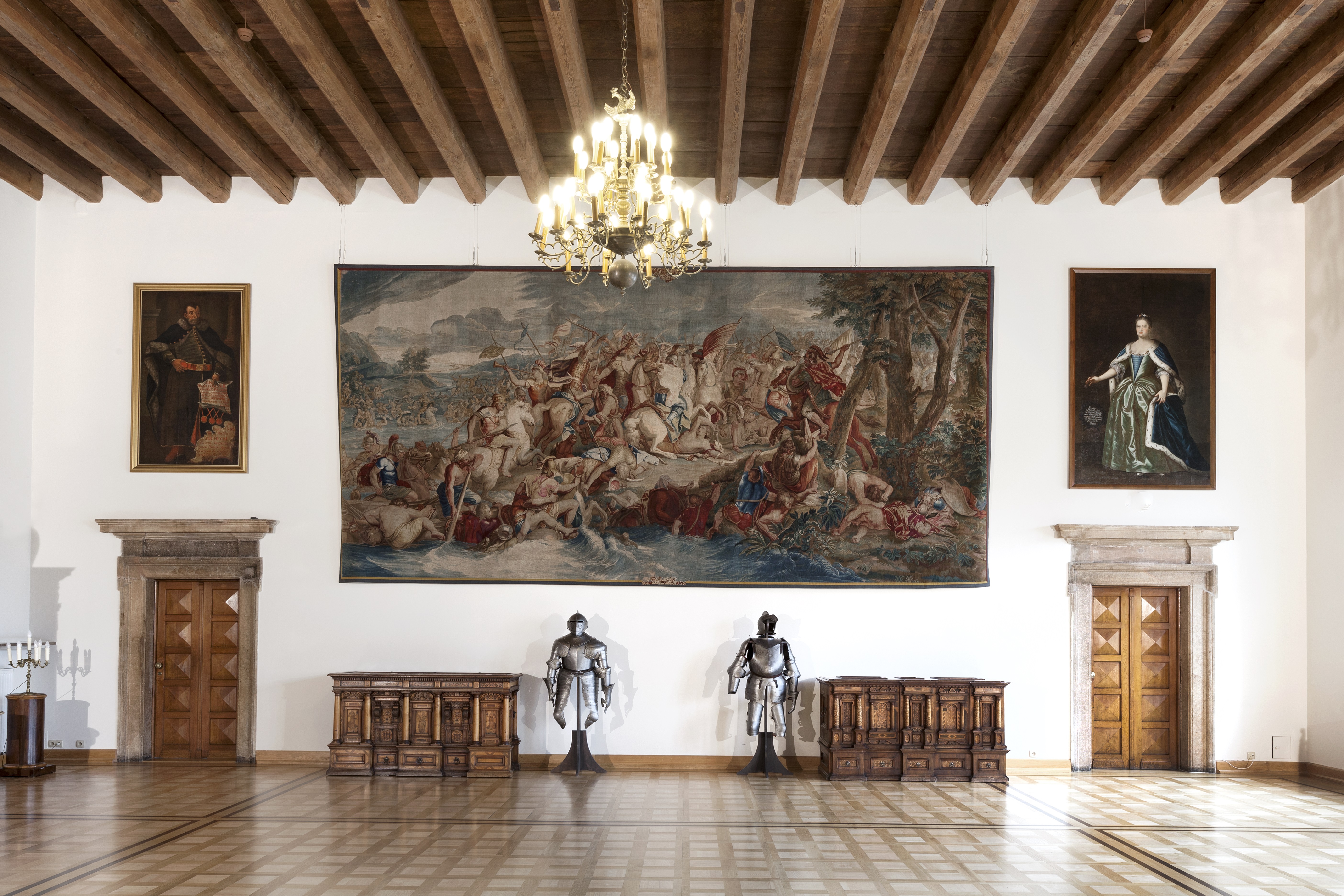
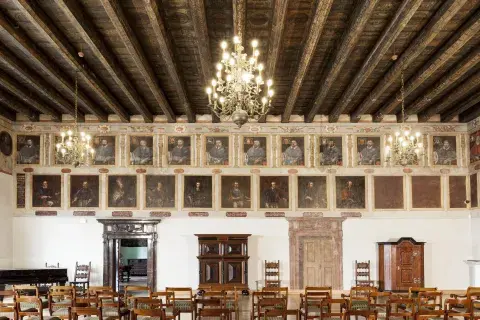
Historic interiors from the 17th–18th centuries
An exhibition of high-quality furniture, textiles, paintings and decorative arts from the 17th and 18th centuries, arranged within the piano nobile, where a significant part of the original décor has been preserved: unique framed ceilings crafted in the workshop of Tomasz Dolabelli, court painter to the Vasa dynasty, polychrome beamed ceilings, ceiling friezes, marble portals, fireplace surrounds, and floors.
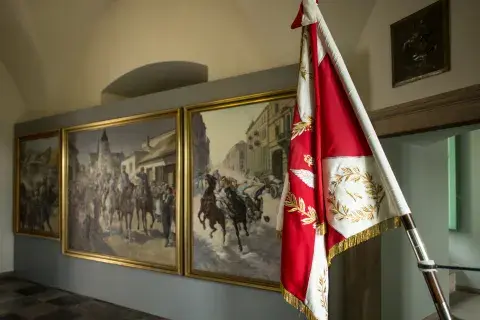
The Marshal Józef Piłsudski Memorial
An exhibition of artefacts relating to Kielce’s history as a Legion city, housed in three rooms in the south-western corner of the ground floor. The idea of creating a Memorial at Józef Piłsudski’s headquarters during his stay in Kielce in 1914 first arose during the interwar period. The project was revisited and carried out in 1990.
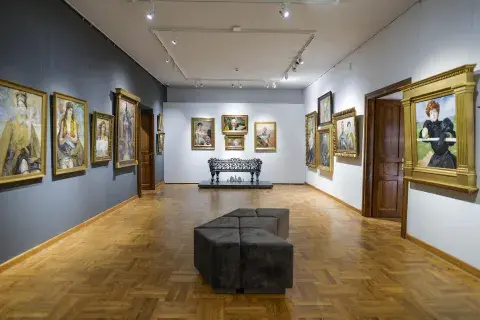
The Alojzy Oborny Gallery of Polish Painting and European Decorative Art
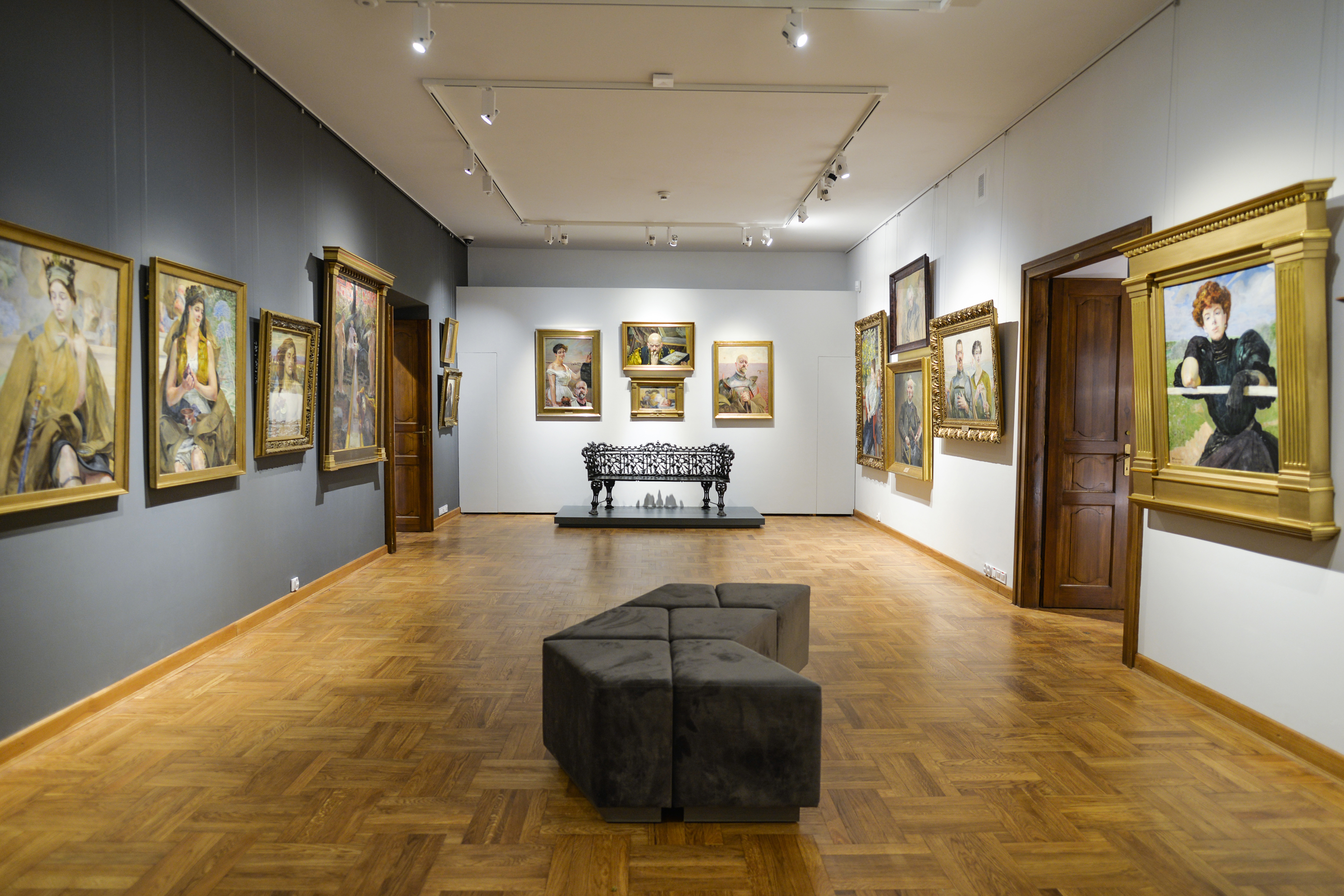
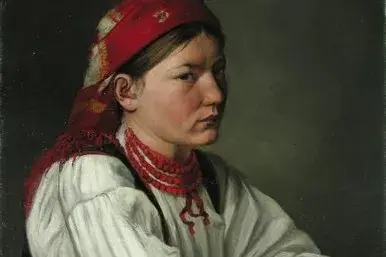
One of the country’s finest exhibitions of Polish painting from the 17th to the mid-20th century, on display in the northern wing since 1998. It comprises over 250 paintings by the finest Polish artists, including Piotr Michałowski, Józef Szermentowski, Maurycy Gottlieb, Józef Chełmoński, Aleksander Gierymski, Olga Boznańska, Jacek Malczewski, Stanisław Wyspiański, Witold Wojtkiewicz, Leon Wyczółkowski and many, many others. The exhibition is accompanied by a display of outstanding examples of European decorative art.
Numismatic room
The exhibition, which has been on display on the first floor of the palace since 2015, is dedicated to the history of money in the region during the Middle Ages and the modern period.